

The workplace conversation has evolved significantly over the past few years. What began as a discussion about returning to the office has shifted into something much larger: creating functional spaces people genuinely want to use. Today’s office environment must support collaboration, focused work, flexibility, wellness, and long-term adaptability all at the same time. For architects and designers, this creates both a challenge and an opportunity.
The most successful workplaces are no longer designed around a single way of working. Instead, they are built to evolve. Flexibility now means more than open floor plans or shared desks. Modern workplaces require environments that can adapt to changing teams, shifting tenant needs, and evolving business priorities without requiring costly demolition and reconstruction every few years.
This is why adaptable interior systems have become a major focus in commercial office design. Organizations are increasingly prioritizing spaces that support multiple functions throughout the workday. Conference rooms double as hybrid meeting spaces. Private offices become touchdown rooms. Collaboration zones transform into event spaces. The office must continuously respond to how employees actually work. For architects and designers, this shift has changed how space planning is approached. Flexibility is no longer treated as an optional feature. It is now more often than not a foundational design strategy.
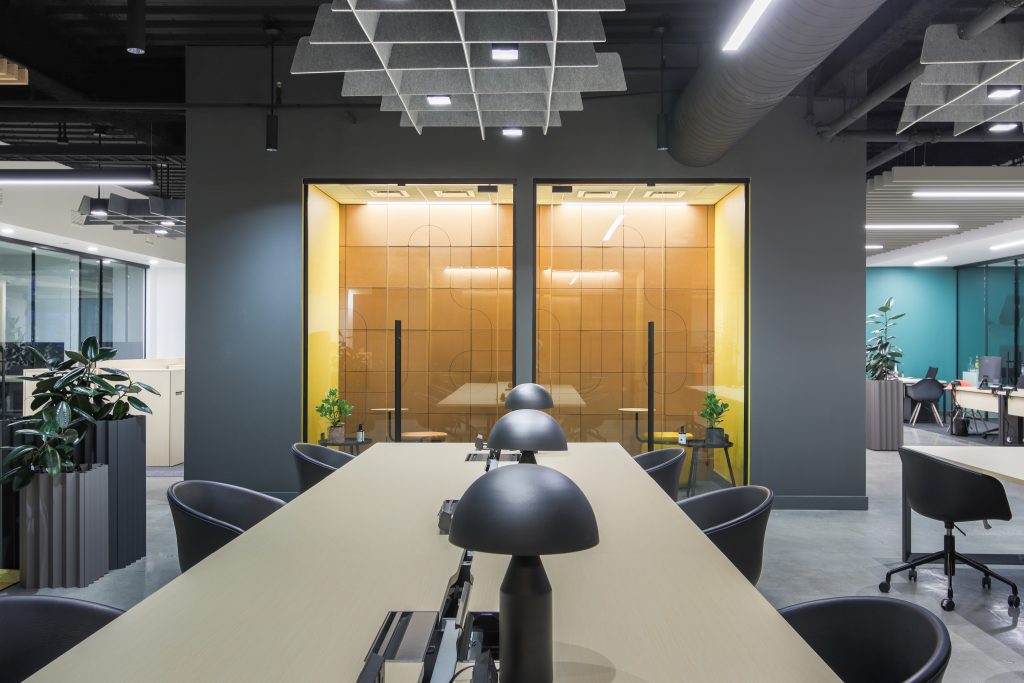
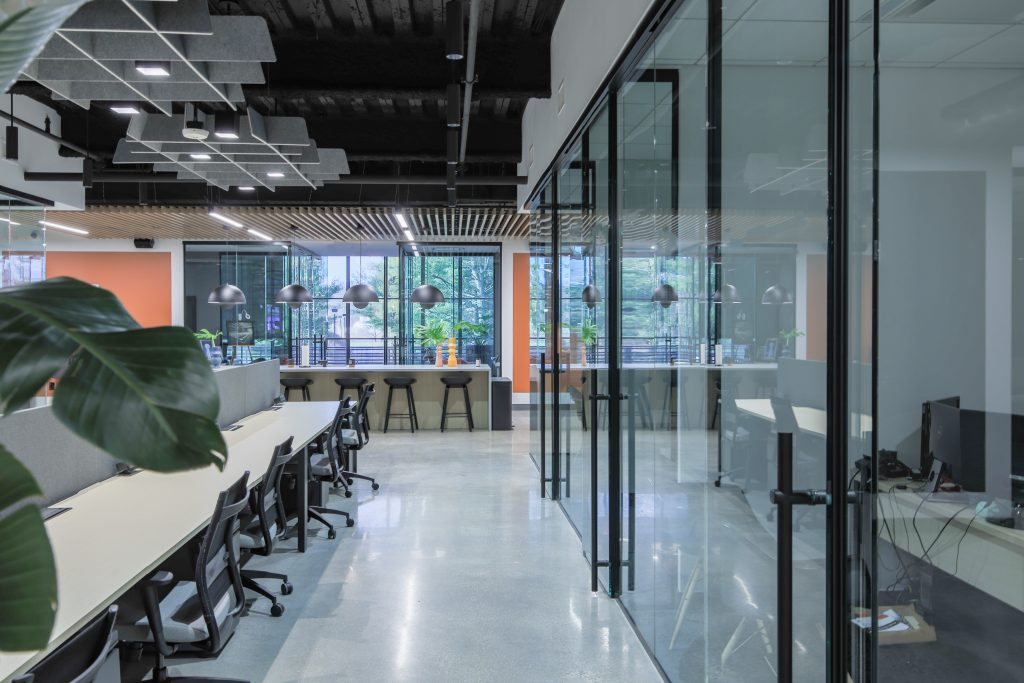
Glass wall systems allow teams to create spaces that feel open and collaborative while still offering privacy and acoustic control where needed. Unlike permanent drywall construction, operable systems, like the EXTEND Series, can be reconfigured as workplace needs to change.
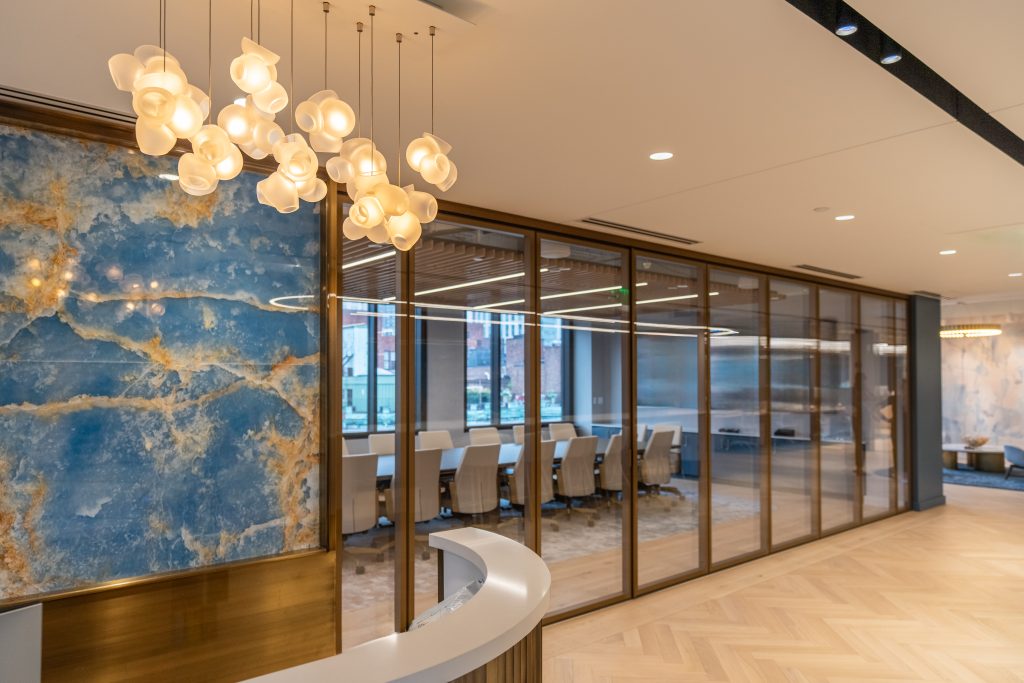
Acoustic privacy has also emerged as one of the defining workplace challenges in a hybrid work era. Employees may spend part of the day collaborating in open settings and the other part participating in virtual meetings or focused tasks. This means the office cannot simply prioritize openness at the expense of concentration. Choosing high-performance acoustic solutions, in concert with other systems (e.g., wall panels, ceiling systems, etc.), can support focused work environments while preserving the visual openness tenants and designers want.
At MetroWall, we see flexibility as one of the most important drivers shaping modern interior architecture. Our glass wall systems are designed to support evolving workplace needs while delivering the clean aesthetics, acoustic performance, and long-term adaptability today’s projects demand. The office is no longer static. It must evolve alongside the people and organizations using it.
As companies continue redefining the role of the workplace, adaptable interior environments will remain central to creating spaces that support productivity, wellness, and long-term value.
Planning a future-ready workplace project? Request a meeting, explore our solutions, or connect with our team to discuss your next interior build.